AMAZE-CpG2
Asia Methylation array Apprizing for Experimental Comparison of Peripheral tissue & Gray matter version 2
DNA methylation (DNAm) is highly tissue-specific, and in neuropsychiatric epigenetics, DNAm profiles measured in the human brain are the most direct substrate of interest. However, because brain tissue is rarely accessible from living individuals, most studies rely on peripheral tissues such as blood, buccal epithelial, and saliva as proxy measures. A central unresolved question is which peripheral DNAm signals truly reflect DNAm variation in the brain.
To address this question, brain–peripheral DNAm correlation resources have been developed in several populations, primarily of European ancestry. AMAZE-CpG was the first such resource for an Asian (Japanese) population. AMAZE-CpG2 is an expanded version of this resource, providing brain–peripheral DNAm correspondence in an independent Japanese cohort that complements the predominantly European-ancestry resources.
Brain tissues resected during neurosurgical treatment (for conditions including meningioma, epilepsy, and cerebral aneurysm), together with blood, buccal, and saliva samples taken simultaneously from the same Japanese patients, were profiled for DNAm. This enables testing of brain–peripheral DNAm correlation at single-CpG resolution in an Asian population, and helps determine which peripheral loci are most informative as markers of brain DNAm in this population.
Characteristics of this database
- Developed using samples from 35 Japanese patients
- Based on the Infinium MethylationEPIC array (Illumina)
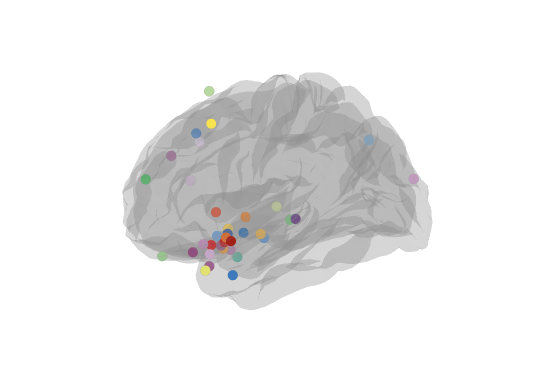
- The Montreal Neurological Institute (MNI) coordinates are recorded by the primary physician of each surgery for each resected brain tissue
- Preprocessing follows the same approach as IMAGE-CpG2